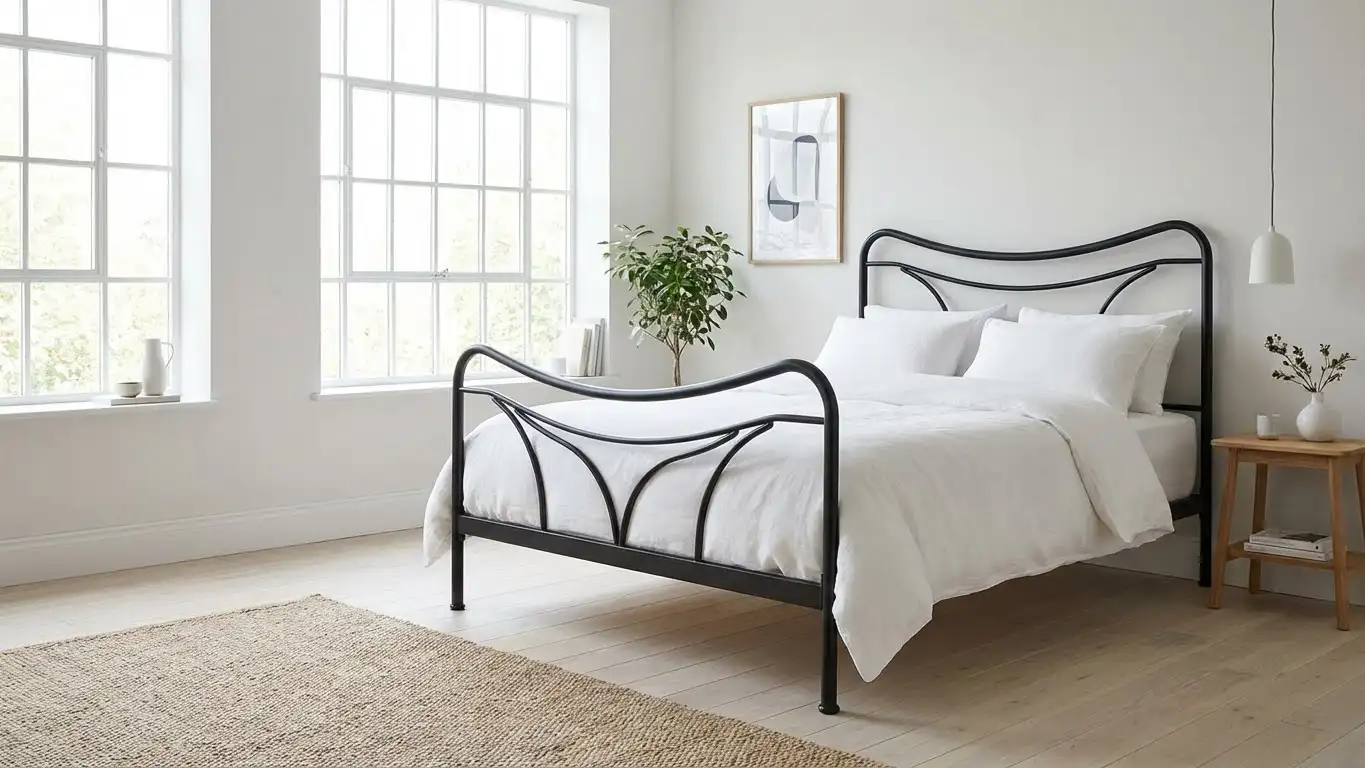
A classic jernsenger showcasing timeless Scandinavian design and craftsmanship
What are Jernsenger? (Definition and Origins)
Jernsenger refers to iron-framed beds that have been a cornerstone of Scandinavian bedroom design for over a century. The word itself breaks down into "jern" (iron) and "senger" (beds, plural of "seng"). These beds represent the intersection of Nordic practicality and aesthetic sensibility, embodying the principle that furniture should be both beautiful and built to last generations.
In Scandinavian culture, jernsenger hold special significance beyond mere furniture. They represent values of durability, honest craftsmanship, and sustainable living—principles deeply embedded in Nordic design philosophy. Unlike mass-produced alternatives, traditional jernsenger were handcrafted pieces that families would pass down through generations, developing character and patina over decades of use.
The term appears not only in furniture contexts but also in Norwegian place names, such as "Jernsenga" in Adventdalen on Svalbard, demonstrating how deeply woven iron beds are into Scandinavian cultural fabric.
History of Iron Beds in Scandinavia
The story of jernsenger begins in the late 19th century during the Victorian era, when cast and wrought iron bed frames were introduced across Europe. However, Scandinavian craftsmen developed their own distinctive approach, emphasizing clean lines and functional beauty over the ornate decoration popular in other regions.
The Victorian Era and Early Adoption
During the 1800s, iron beds became popular for practical reasons—they were more hygienic than wooden beds, as metal didn't harbor bedbugs or other pests that plagued traditional wooden furniture. This appealed strongly to the Scandinavian emphasis on cleanliness and health. Norwegian and Danish craftsmen began producing their own versions, often featuring simpler designs that reflected Nordic aesthetic values.
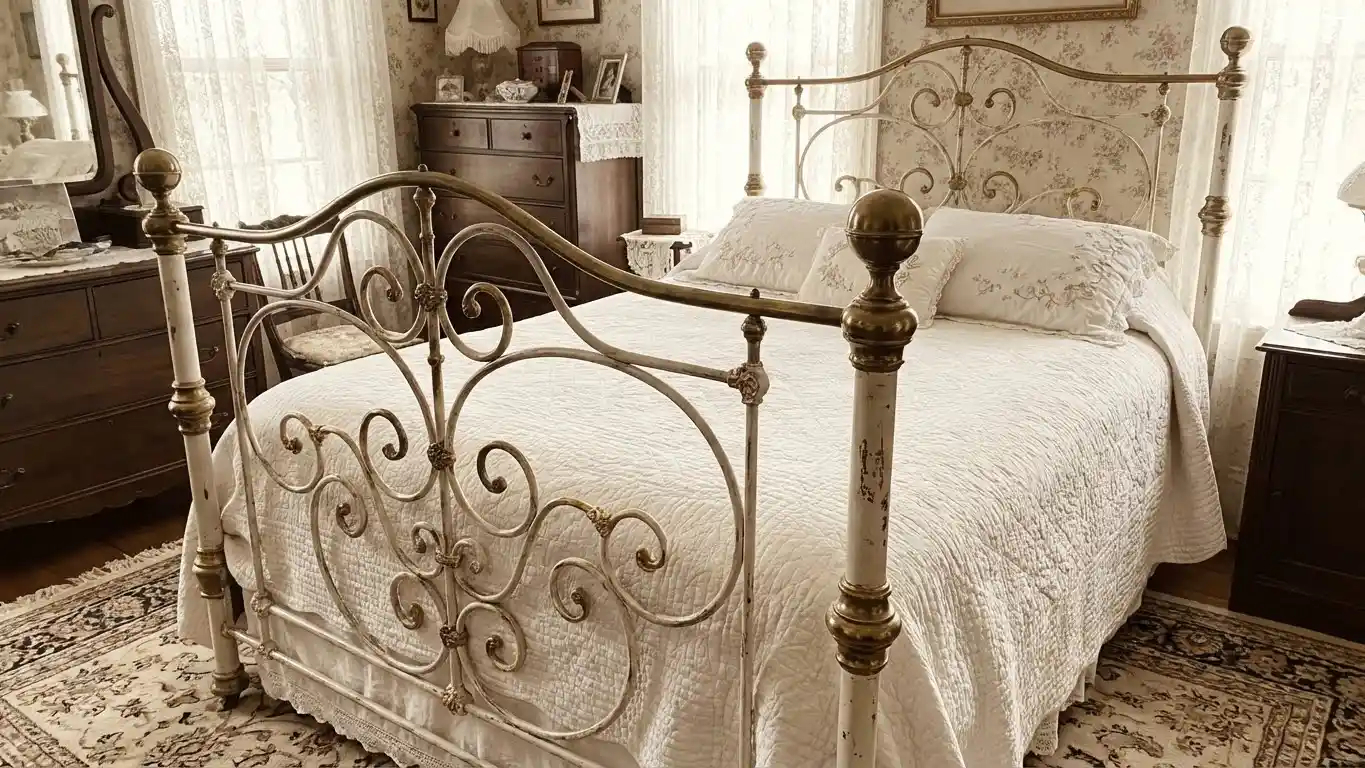
Victorian-era jernsenger featuring traditional ornate metalwork
20th Century Evolution
The early 1900s saw jernsenger become standard in Scandinavian homes. During the post-war period of 1947 and beyond, Norwegian furniture makers like Jensen (founded in 1947 in Svelvik, Norway) began innovating with new materials and designs while maintaining traditional craftsmanship standards. These companies helped establish Scandinavian furniture design as synonymous with quality and longevity.
Modern Renaissance
Today, jernsenger are experiencing renewed popularity as homeowners seek sustainable, long-lasting furniture alternatives to disposable modern pieces. Contemporary Scandinavian manufacturers continue the tradition of handcrafted iron beds, now combining traditional techniques with modern finishing methods and ergonomic innovations.
Benefits of Jernsenger (Durability, Style, and More)
1. Exceptional Durability
Iron beds can last 50-100+ years with minimal maintenance. The metal construction won't warp, crack, or deteriorate like wood, making it a genuine lifetime investment.
2. Timeless Aesthetic
Jernsenger never go out of style. Their classic design works equally well in traditional, modern, industrial, or minimalist interiors.
3. Pest Resistance
Unlike wooden beds, metal frames don't harbor termites, woodworms, or bedbugs. This makes them ideal for maintaining a hygienic sleeping environment.
4. Low Maintenance
A simple wipe with a damp cloth is all that's needed. No polishing, refinishing, or special treatments required.
5. Environmental Sustainability
Iron is 100% recyclable and requires minimal manufacturing energy. Quality jernsenger reduce waste by lasting multiple generations.
6. Strong Support
Metal frames provide superior mattress support compared to many wooden alternatives, potentially improving sleep quality and mattress longevity.
Types of Jernsenger (Modern, Vintage, Minimal)
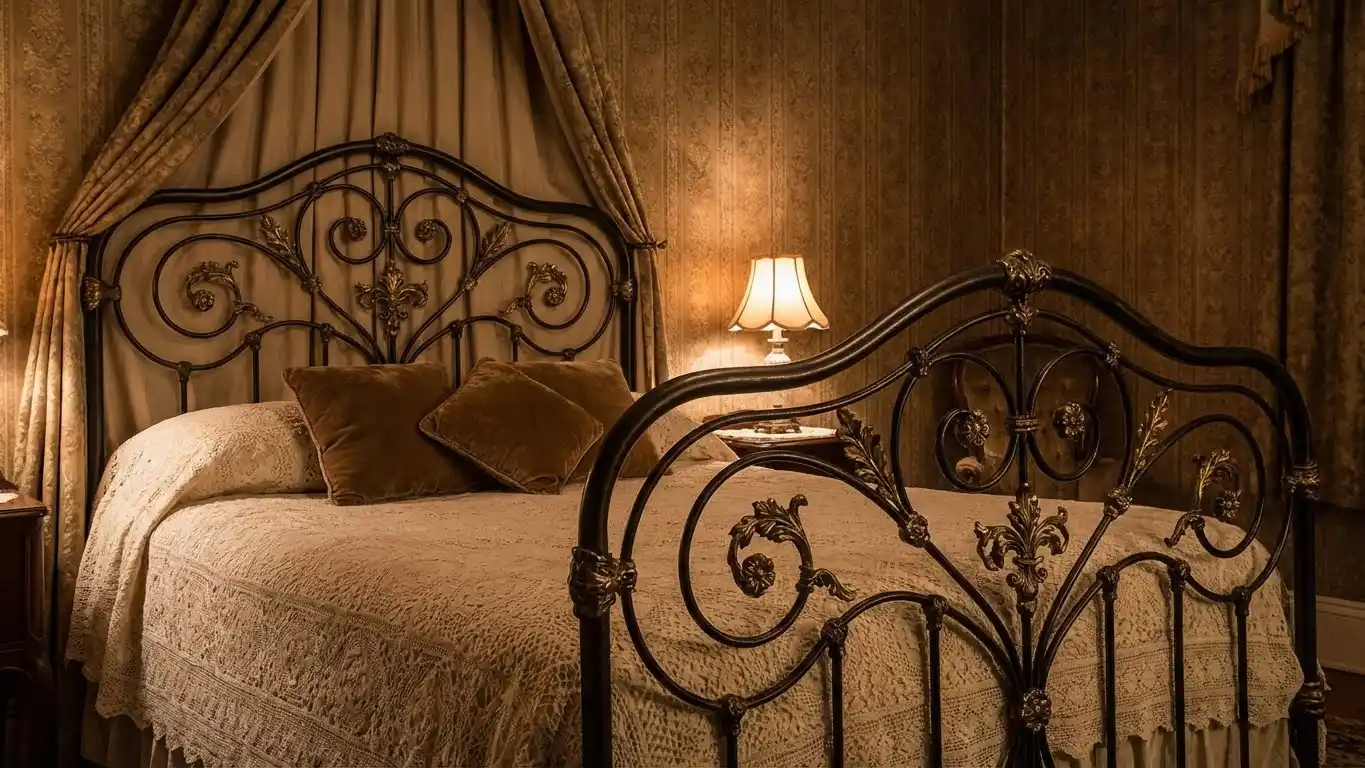
Vintage Victorian Style
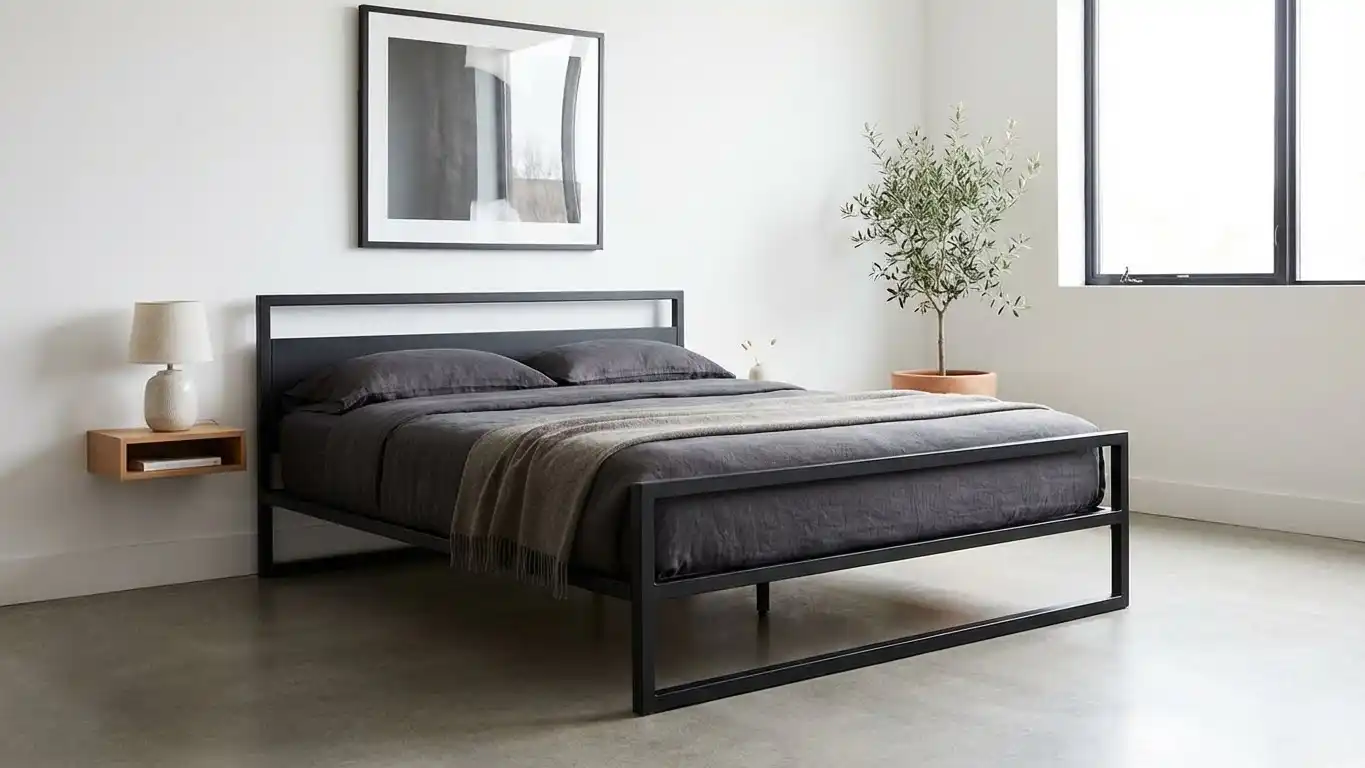
Modern Minimalist
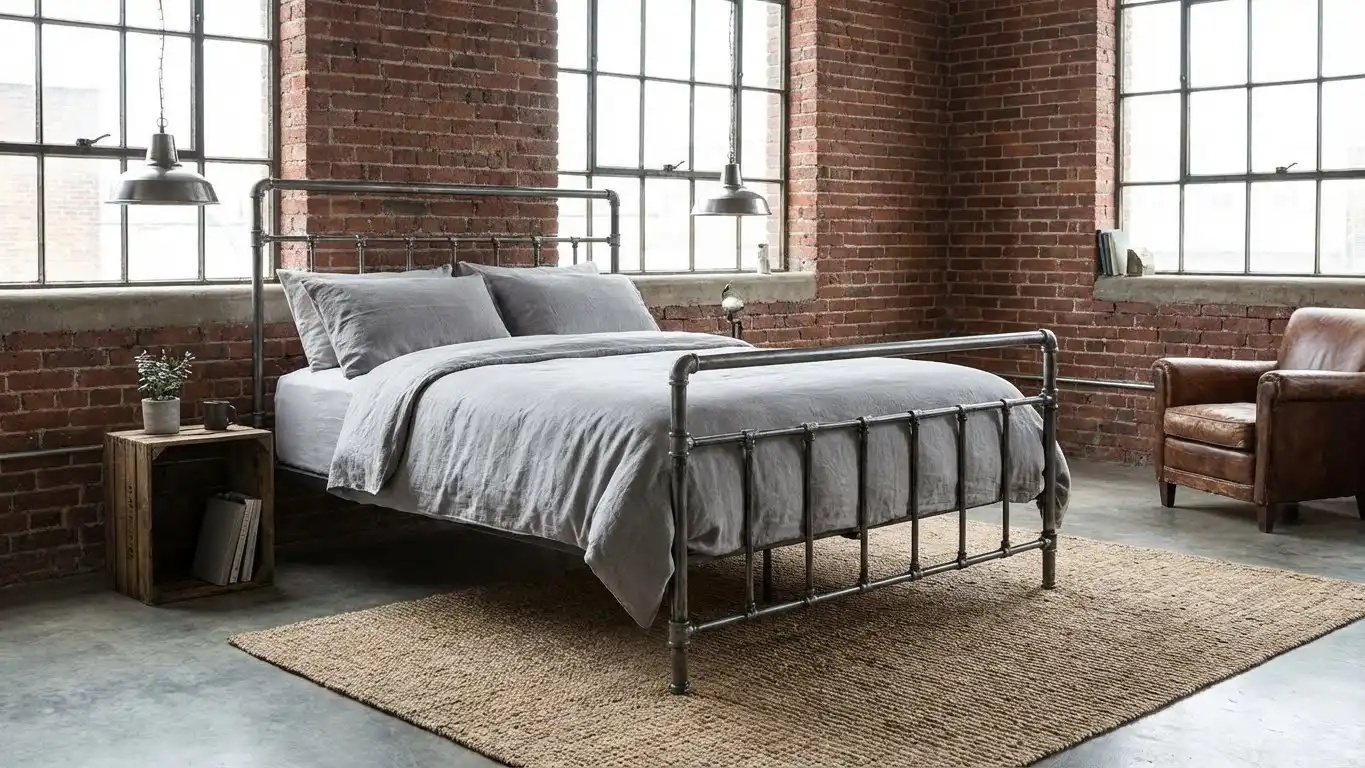
Industrial Style
Vintage Victorian Style
These jernsenger feature ornate scrollwork, decorative castings, and romantic curves. Often finished in antique brass or distressed iron, they're perfect for creating a classic, elegant bedroom atmosphere. Vintage styles typically include elaborate headboards and footboards with intricate metalwork details.
Modern Minimalist
Contemporary jernsenger embrace clean lines and geometric simplicity. These designs feature sleek metal frames, often in matte black or brushed steel finishes. They work beautifully in Scandinavian, industrial, or modern interiors where simplicity and function take priority.
Industrial Style
Drawing inspiration from factory and warehouse aesthetics, industrial jernsenger feature exposed welds, pipe-style frames, and raw metal finishes. These beds make bold statements and pair well with brick walls, concrete floors, and minimalist decor.
Scandinavian Craftsman
True to Nordic design principles, these jernsenger balance form and function with subtle decorative elements. They often feature hand-forged details, natural metal finishes, and proportions that create a sense of lightness despite their sturdy construction.
Platform Beds
Modern platform-style jernsenger sit low to the ground and eliminate the need for box springs. These space-saving designs are ideal for contemporary homes and small apartments, offering clean aesthetics and practical storage space underneath.
Jernsenger vs. Wooden Beds: Complete Comparison
| Feature | Jernsenger (Iron Beds) | Wooden Beds |
|---|---|---|
| Durability | 50-100+ years, extremely durable | 20-50 years (varies by wood quality) |
| Maintenance | Minimal—simple wiping | Regular polishing/refinishing needed |
| Pest Resistance | Completely pest-proof | Vulnerable to termites, woodworms |
| Weight | Heavy but manageable | Varies—can be very heavy |
| Style Versatility | Works with any decor style | Best for traditional/rustic styles |
| Price Range | $200-$2,000+ | $300-$3,000+ |
| Environmental Impact | 100% recyclable, long-lasting | Renewable but shorter lifespan |
| Noise | Minimal (quality frames are silent) | Can creak over time |
| Assembly | Straightforward, bolt-together | Can be complex with hardware |
Bottom Line:
Choose jernsenger if you want a lifetime investment with minimal maintenance, timeless style, and environmental benefits. Choose wooden beds if you prefer traditional warmth, need specific style matches, or want furniture that develops a natural patina. For the best of both worlds, consider metal frames with wooden headboards.
How to Choose the Best Jernsenger
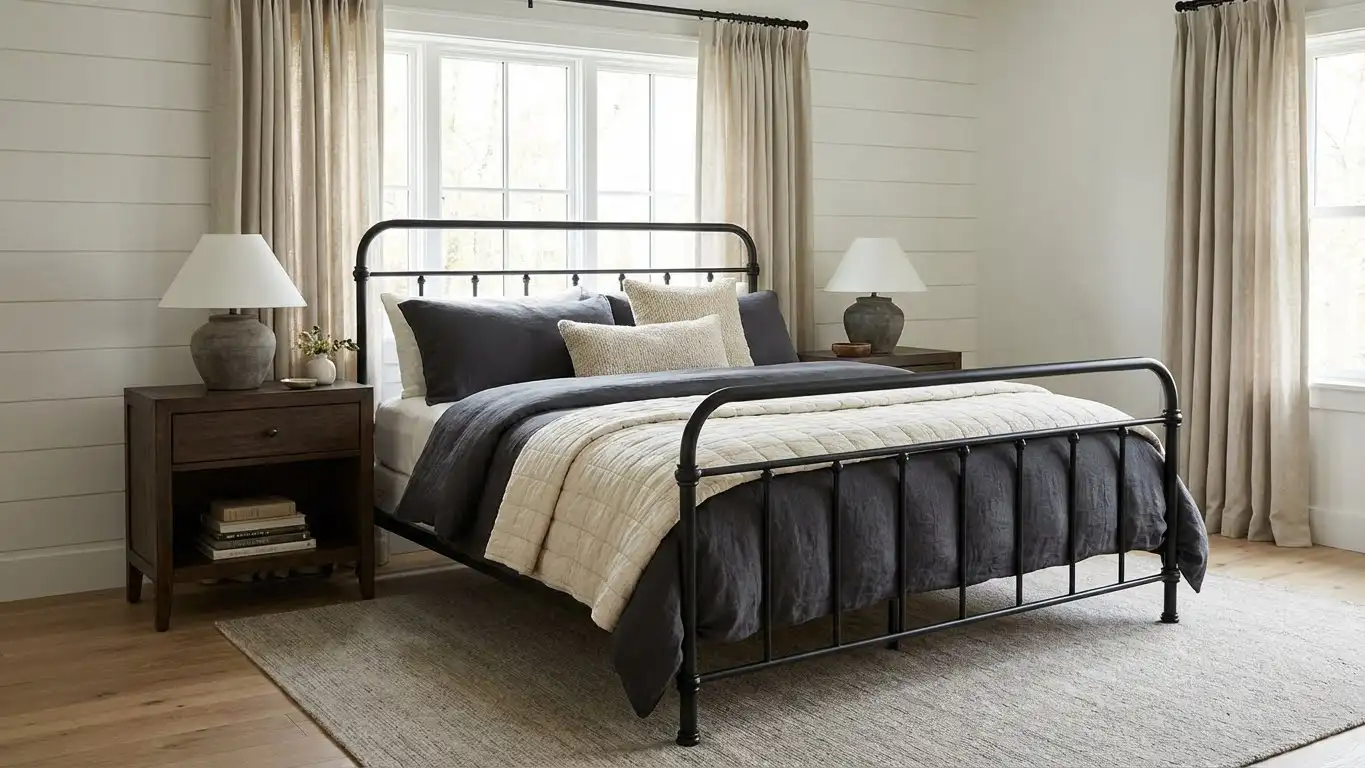
Example of a well-chosen jernsenger perfectly suited to bedroom dimensions
Consider Your Space
Measure your bedroom carefully before shopping. Remember to account for clearance around the bed—you'll want at least 24 inches on each side for comfortable movement. Platform-style jernsenger work best in smaller rooms as they create visual space, while four-poster or high-headboard designs suit larger rooms.
Select the Right Size
Single/Twin (90-100cm): Perfect for children's rooms, guest rooms, or solo sleepers. Double/Full (140cm): Comfortable for one adult or cozy for two. Queen (160cm): The most popular size for couples, offering ample space. King (180-200cm): Maximum comfort for couples or those who love space. Super King (200cm+): Ultimate luxury for spacious master bedrooms.
Choose Your Metal Type
Wrought Iron: Traditional, handcrafted appearance with visible hammer marks and textures. Heavier and more expensive but authentically historic. Cast Iron: Allows for intricate decorative elements and ornate designs. Very heavy and durable. Steel: Modern, lightweight, and affordable. Excellent rust resistance with proper coating. Iron Alloys: Combines strength with reduced weight, often used in contemporary designs.
Pick Your Finish
The finish dramatically affects both appearance and maintenance. Powder-coated: Most durable, available in countless colors, easy to clean. Painted: Traditional appearance, may require touch-ups over time. Brushed/Natural: Industrial look, shows the metal's character. Antique/Distressed: Vintage appearance with intentional aging effects.
Check Construction Quality
Examine welds carefully—they should be smooth and uniform. Test joints for stability; quality jernsenger shouldn't wobble or squeak. Look for thick gauge metal rather than thin tubing. Check that all hardware is included and appears robust. Quality manufacturers offer warranties of 10-25 years or more.
Maintenance and Care for Your Jernsenger
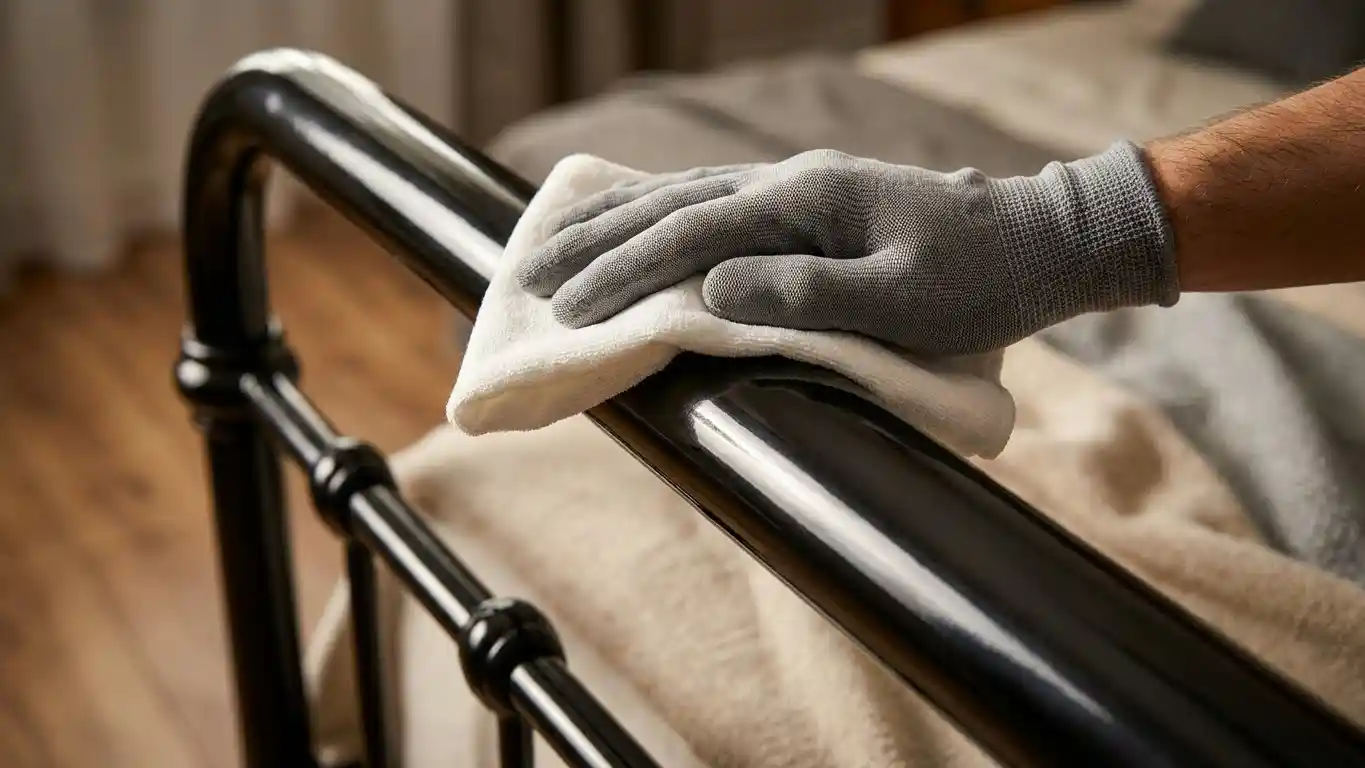
Proper maintenance keeps your jernsenger looking pristine for generations
Regular Cleaning
Dust your jernsenger weekly with a soft, dry cloth. For deeper cleaning, use a slightly damp cloth with mild soap, then dry immediately to prevent water spots. Avoid harsh chemicals or abrasive cleaners that might damage protective coatings.
Preventing Rust
Keep your bed in a well-ventilated room to prevent moisture buildup. If you notice any paint chips or scratches, touch them up promptly to prevent rust from starting. For humid climates, consider using a dehumidifier in the bedroom. Modern powder-coated finishes are highly rust-resistant, but vigilance helps maintain appearance.
Tightening Hardware
Check bolts and screws every 6-12 months, tightening any that have loosened through use. This prevents squeaking and maintains structural integrity. Keep a small toolkit with the appropriate wrench or hex key sizes handy for quick adjustments.
Protecting the Finish
Avoid dragging objects across the metal surface. Use felt pads under decorative items placed on headboards or footboards. When moving the bed, lift rather than drag to prevent scratching floors and damaging the finish.
Long-Term Care
Every few years, inspect the entire frame for any signs of wear, rust, or damage. If you notice rust spots, sand them lightly and apply touch-up paint or rust-inhibiting primer. For antique jernsenger, consider professional restoration every decade or so to maintain their value and appearance.
Where to Buy Jernsenger
Scandinavian Manufacturers
Companies like Jensen Beds (Norway) maintain the tradition of handcrafted quality. These manufacturers often offer customization options and lifetime warranties. While prices are higher, you're investing in genuine Scandinavian craftsmanship.
Online Retailers
Websites like Wayfair, Amazon, and specialized furniture retailers offer wide selections at various price points. Read customer reviews carefully and check return policies before purchasing. Look for detailed product specifications and clear photographs.
Antique and Vintage Shops
For authentic historical pieces, explore antique stores and estate sales. Vintage jernsenger often feature superior craftsmanship and develop beautiful patinas. Ensure any antique purchase is structurally sound and compatible with modern mattress sizes.
Local Furniture Stores
Visiting physical stores lets you test bed stability and see finishes in person. Many retailers offer delivery and assembly services. Don't hesitate to negotiate prices, especially on floor models.
Custom Manufacturers
For specific requirements, blacksmiths and metal craftsmen can create bespoke jernsenger. This option works best when you need unusual sizes, specific designs, or want to match existing furniture. Prices vary widely based on complexity and materials.
Styling Your Jernsenger
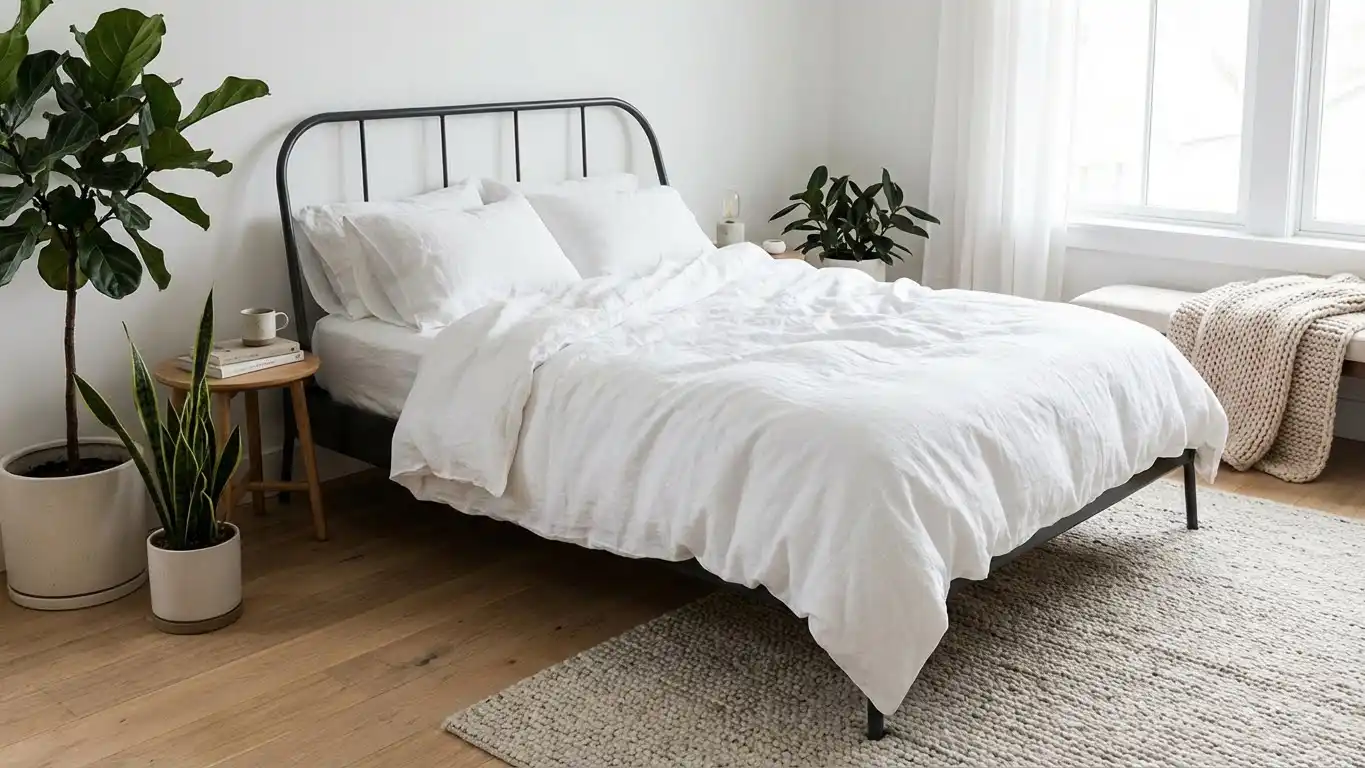
Scandinavian Minimalist Style

Bohemian Style
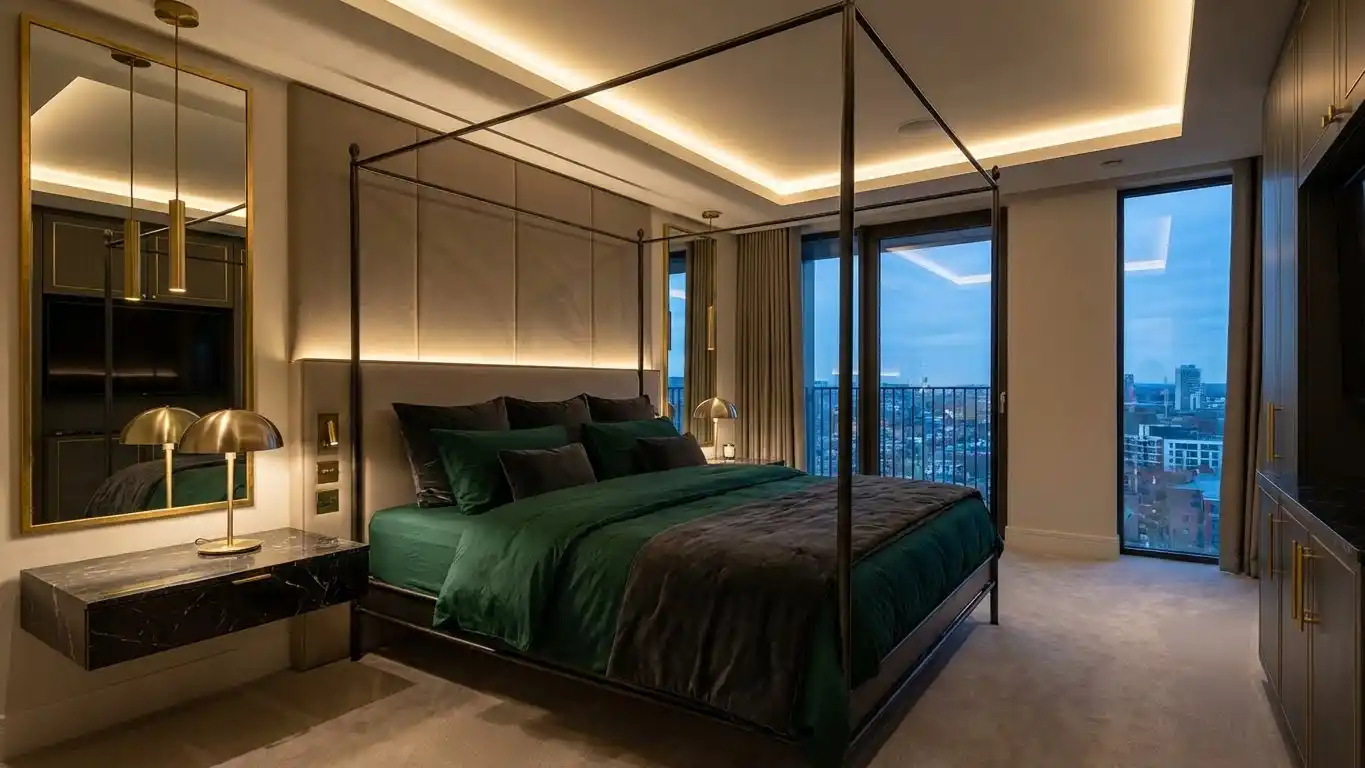
Modern Luxury
Bedding Choices
The simplicity of jernsenger provides the perfect canvas for creative bedding. Crisp white linens create a classic Scandinavian look. Bold patterns and colors make dramatic statements against metal frames. Layered textiles—quilts, throws, and varied pillow arrangements—add warmth and texture.
Color Coordination
Black iron beds work beautifully with any color scheme and create striking contrast. White or cream-finished jernsenger suit light, airy rooms and coastal themes. Bronze or copper tones add warmth to traditional and rustic interiors. Industrial gray finishes complement modern and minimalist spaces.
Decorative Elements
Hang artwork above the headboard to create a focal point. Use string lights or garlands for romantic ambiance. Add throw pillows in complementary colors and textures. Consider a bed canopy for vintage or romantic styles.
Room Integration
Balance the metal's hard surfaces with soft elements like rugs, curtains, and upholstered furniture. Incorporate natural materials—wood, plants, woven baskets—to warm the space. Ensure adequate lighting to showcase the bed's metalwork details.
Frequently Asked Questions (FAQs)
Q: Are jernsenger uncomfortable because of the metal?
A: Not at all. The metal frame supports your mattress, not your body directly. With a quality mattress, jernsenger are as comfortable as any other bed frame. In fact, the solid support can enhance mattress performance and longevity.
Q: Do iron beds make noise when you move?
A: Quality jernsenger are engineered to be silent. Any squeaking usually indicates loose bolts that need tightening. Proper assembly and occasional maintenance keep iron beds quiet.
Q: Can I use any mattress with a jernsenger?
A: Yes, jernsenger work with all standard mattress types—memory foam, latex, innerspring, or hybrid. Platform-style iron beds don't require box springs, while traditional styles may accommodate them.
Q: Are jernsenger safe for children?
A: Absolutely. Choose designs without sharp edges or decorative elements that could pose hazards. Ensure proper assembly and check that the bed is appropriately sized for the child's age and size.
Q: How heavy are iron beds?
A: Weight varies significantly. A twin-size steel frame might weigh 40-60 pounds, while a king-size wrought iron bed could exceed 200 pounds. Consider this when planning placement, as frequent moving becomes impractical.
Q: Will my jernsenger rust over time?
A: Modern jernsenger with powder-coated or properly painted finishes are highly rust-resistant when properly maintained. Keep the bed dry, repair any paint chips promptly, and avoid humid environments without ventilation.
Q: Can I customize the color of my iron bed?
A: Many manufacturers offer custom color options. You can also paint an iron bed yourself using appropriate metal paint and primer. This lets you match your exact decor or change the look over time.
Q: Are antique jernsenger worth the investment?
A: Authentic antique iron beds can be excellent investments, especially rare or historically significant pieces. They often feature superior craftsmanship unavailable in modern production. However, ensure they're structurally sound and compatible with contemporary mattress sizes before purchasing.
Q: What's the difference between wrought iron and cast iron beds?
A: Wrought iron is forged and hammered, creating a handcrafted appearance with visible texture. Cast iron is poured into molds, allowing intricate decorative details. Wrought iron is generally stronger and more expensive, while cast iron enables more ornate designs.
Q: How do I assemble a jernsenger?
A: Most jernsenger use simple bolt-together assembly. You'll typically connect the headboard, footboard, and side rails using included hardware. Basic tools (wrenches or hex keys) are usually all that's needed. Most beds can be assembled by two people in 30-60 minutes.
Conclusion: Why Jernsenger Remain Timeless Investments
Jernsenger represent more than just bedroom furniture—they embody Scandinavian values of durability, honest craftsmanship, and sustainable living. In an era of disposable furniture, these iron beds stand as testaments to the value of quality construction and timeless design.
Whether you choose a vintage Victorian piece with ornate scrollwork, a sleek modern platform bed, or a handcrafted Scandinavian design, a jernsenger offers benefits that extend far beyond aesthetics. The exceptional durability means your bed will last generations rather than years. The minimal maintenance requirements save time and money. The environmental sustainability reduces waste and resource consumption.
As you consider your options, remember that choosing a jernsenger is choosing to invest in quality over quantity, permanence over trend, and craftsmanship over convenience. It's a decision that honors both practical needs and aesthetic aspirations, creating a bedroom centerpiece that will serve your family for decades to come.
The enduring appeal of jernsenger lies in their perfect balance of form and function—they're beautiful enough to become heirlooms, yet practical enough for daily life. In 2026 and beyond, as more people seek sustainable, long-lasting alternatives to fast furniture, the timeless jernsenger stands ready to serve new generations of sleep seekers.